


In this issue
Medicare Scams Are Changing. Here's What to Watch For.
Scams can look and sound convincing. If something doesn't seem right, take a moment to check it out before sharing your Medicare number or personal information.
The Senior Medicare Patrol (SMP) regularly shares information to help people stay aware of Medicare fraud and scams. One national story they recently shared caught our attention. Therefore, we are passing it on to you.
Warnings are often given about being careful if someone you don't know calls and asks for your Medicare number. However, you may not have been warned about ads. They often show up on social media platforms, like Facebook.
The national story looks at misleading Medicare ads showing up on Facebook. While we know you are careful about recognizing false advertising — some can look pretty convincing. They may look like they're connected to a government program, show familiar faces, or offer grocery cards, spending money, or other benefits.
Unfortunately, these ads are reaching a lot of people. According to the article, Medicare scam ads on Facebook received more than 215 million views in the past year.
The story also describes other scams people may come across. You might get a call saying you're owed money from your Medicare drug coverage. Someone might tell you that you need to provide information to get a new Medicare card. Some scammers are even using artificial intelligence (AI) to make voices on the phone sound more believable.
We aren't sharing this to make you worry every time the phone rings or ads pop up online. Instead, we want you to know that scams change. Sometimes, they can be hard to spot.
Want to know more? Read the full article for a closer look at some of the Medicare scams showing up today: Report Shows Medicare Scams Spreading on Facebook
Our Top 3 Tips
It isn’t possible to keep track of every new scam. They change all the time! Instead, here are three simple things to keep in mind.
- Keep your Medicare number to yourself.
Think of your Medicare number like your credit card number. If someone contacts you unexpectedly and asks for it, you don't have to give it to them.
Here's something else that's good to know: Medicare won't call you out of the blue, come to your home, or try to sell you something. Medicare also won't contact you unexpectedly and ask for personal information. If you contact Medicare first, a representative may ask for information to help with your question.
- Give yourself time to check things out.
Someone says you need to act right away? An ad promises a benefit you've never heard of? Something about a phone call just doesn't feel right?
You don't have to decide anything on the spot. Take some time to check it out. Instead of using the phone number or link someone gives you, call Medicare or your health plan using a number you know is correct.
- Give your Medicare statements a quick look.
When your Medicare Summary Notice (MSN) or Explanation of Benefits (EOB) arrives, take a minute to look it over.
See a doctor's visit, test, or medical supply you don't remember getting? Ask about it. There may be a simple explanation, but it's worth checking.
Still Not Sure? That's What SMP Is For.
Scammers work hard to make their calls, messages, and ads look believable. Sometimes it really is difficult to tell what's real.
Senior Medicare Patrol helps people with Medicare and their families with questions about possible Medicare fraud, errors, and scams. You don't have to know for sure that something is a scam before you call.
You can find your local Senior Medicare Patrol by calling 1-877-839-2675 or visiting www.shiphelp.org. You can also call 1-800-MEDICARE (1-800-633-4227) if you have questions or want to report possible Medicare fraud.
That Was Close! Simple Ways to Help Prevent Falls

There's no one way to stay active. Find what you enjoy and make movement part of your day.
The dog toy in the hallway, the phone charger cord by the couch, and the basket sitting on the stairs because everything in it needs to go upstairs. You know they're there. You've probably stepped around them dozens of times. Alas, until the one time the dog toy is an inch to the left, and your foot lands on it with a “squeak,” and you tumble with a yell.
September is Healthy Aging Month, a good time to think about what helps us stay active and keep doing what we enjoy. Paying closer attention to the everyday things that can trip us up is a good place to start.
Sometimes preventing a fall begins with noticing the little things we've gotten very good at not noticing.
Think about that basket or pile of stuff on the stairs. You know the one. You plan to carry it all upstairs the next time you go. Three trips later, it's still there. We’ve all done it, but when you can, put things away rather than leaving them in the path you'll be walking later. The same goes for shoes, bags, cords, pet toys, and all the other things that come with everyday life.
It's not about keeping a perfectly tidy house. It's about keeping the places you walk clear.
What's the Rush?
Ever find yourself hurrying through the house even though you're not actually late for anything?
Sometimes hurrying is a habit. Therefore, giving yourself an extra moment on the stairs or when you're carrying something from one room to another may need to be an intentional shift. This is especially true when you're somewhere unfamiliar, so take a second to look around. A staircase you've never used, an uneven sidewalk, a wet parking lot, or a crowded restaurant may deserve a little more attention than the places you know by heart.
Shine a Little Light on the Situation. Things Can Look Different After Dark.
Your house can look very different at 2 o’clock in the morning than it does at 2 o’clock in the afternoon.
Our vision can change as we get older. Seeing in low light can create new challenges. To prevent a trip down the stairs and then to the emergency department, consider the paths you use at night. Can you easily see your way from the bedroom to the bathroom? What about the hallway or stairs?
A little extra light may be all you need. Night lights are one easy option, including ones that automatically turn on when the room gets dark and turn off when there's enough light. Set it and forget it!
Don’t Forget About Balance
We use our balance all day without thinking much about it. Whether stepping off a curb, climbing stairs, riding a bike, hiking an uneven trail, reaching for something on a shelf, or playing a sport, balance is second nature. We don’t think much about it until we need to, such as after surgery or when recovering from a fall.
Staying active can help maintain strength and balance, which can help prevent falls. And being active can look very different from one person to the next.
Maybe you're happy with the activities already in your routine, or maybe you're ready for something different. This could include a new challenge, a reason to get outside, or an activity that gives you a chance to meet new people. Perhaps a friend invited you to try something you've never done before. Dancing, pickleball, swimming, bowling, golf, hiking, yoga, Pilates, and tai chi are just some of the possibilities. Strength training with weights and using resistance bands are also good options.
If you're thinking about starting a new exercise program and have questions about whether it's a good fit for you, your doctor can be a helpful resource. You can bring it up during a visit or send a message through your patient portal.
And If You Do Fall...
Sometimes a trip is just a trip. But even if you get right back up and feel fine, the National Institute on Aging recommends telling your doctor about a fall. What happened may be useful information, especially if you've noticed any other changes in your balance.
It's also good to know that Medicare Part B may cover medically necessary physical or occupational therapy when Medicare requirements are met.
Preventing falls isn't just about slowing down. It's about staying aware of what's around you, taking care of your balance, and continuing to do the things you enjoy.
Visit the National Institute on Aging's Falls and Fractures in Older Adults: Causes and Prevention webpage for more information about staying active, maintaining strength and balance, and helping prevent falls.
Heard About GLP-1 Medicines? Here's Something to Know.

You may have heard about GLP-1 medicines, including some prescription drugs used for weight loss.
Medicare started a program called Medicare GLP-1 Bridge. If you qualify, you may be able to get certain GLP-1 weight-loss medicines for $50 for a one-month supply.
Medicare has put together a fact sheet that explains which medicines are included, who may qualify, and how the program works.
Fact sheet: Medicare GLP-1 Bridge (PDF document)
Fall Is Coming. So Is Flu Season.
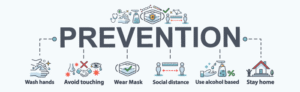
Cooler mornings, changing leaves, shorter days—September gives us plenty of signs that fall is on the way. It's also a good time to start thinking about flu season.
How do you want to prepare? Maybe you have questions about this year's flu vaccine or want to know what Medicare covers. Or perhaps you'd just like a refresher on simple ways to help avoid getting sick.
Whatever you'd like to know, our Flu resource page is a good place to start.
Mark Your Calendar: A Free Online Presentation

Have you ever wished it were a little easier to ask questions or get clear answers when talking with your doctor?
Join us for our upcoming free online presentation:
Partners in Care: Empowering Patients, Families, and Providers to Improve Outcomes
We'll share simple tips for better conversations with your doctor and ways you can be more involved in your care. After all, good health care works best when you and your doctor work together.
Wednesday, October 28, 2026
2:00 to 3:00 pm Eastern Time