


In this issue
Your Right to Emergency Care
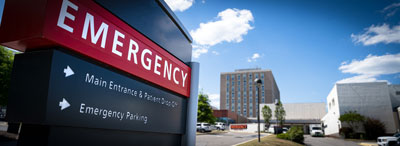
If you ever have a medical emergency, remember that you have the right to be seen, checked, and treated. These protections help make sure you get care when you need it most.
Getting to Know Your Medicare Rights
This article is part of our monthly series, Getting to Know Your Medicare Rights, where we share simple tips to help you understand and use your rights with confidence.
Winter can be a wonderful time of year, with holidays bringing family and friends together. However, they can also be busy and stressful due to the added obligations. This can be especially true for caregivers who look after parents, relatives, or friends.
The colder months can also lead to unpleasant conditions. Icy steps, slippery sidewalks, and winter illnesses, like the flu, can lead to an unexpected visit to the emergency department. If that happens, you have rights that help protect you and make sure you get the care you need.
There is a federal law called the Emergency Medical Treatment and Labor Act (also referred to as EMTALA). It ensures that most hospitals give emergency care to anyone who goes to the emergency department (ED). This law applies to hospitals that accept Medicare payments, which includes almost every hospital in the country.
Here’s what EMTALA means for you:
- You have the right to a medical screening exam. A doctor, nurse, or other trained healthcare professional must check to see if you have a medical problem that needs care right away.
- If you have an emergency, the hospital must treat and stabilize you. That means the staff must do what’s needed to keep your condition from getting worse before you go home or move to another hospital.
- You cannot be turned away or refused care because of who you are, what kind of insurance you have, or whether you can pay.
In simple terms, EMTALA means that if you go to a hospital for emergency care, you will be seen and treated based on your medical needs, not your ability to pay or your insurance coverage.
Even though EMTALA protects everyone, it is enforced through the Medicare program. This means hospitals that accept Medicare payments must follow this law. These rules help protect patients’ rights and make sure everyone gets safe, fair, and timely emergency care.
If you ever have a medical emergency, remember that you have the right to be seen, checked, and treated. These protections help make sure you get care when you need it most.
To learn more about your emergency care rights, visit CMS.gov.
If you know someone with Medicare, please share this information with them. Knowing your rights can make a stressful moment easier and help make sure everyone gets the care they deserve.
Emergency Department Care

While emergencies are by nature unpredictable, your preparation does not have to be. A few simple steps taken in advance can improve the care you receive. They can also reduce delays and help you make better decisions when every moment matters.
What You Should Know Before Going to the Emergency Department
Written by Ari Lapin, MD
Associate Medical Director
Acentra Health BFCC-QIO
Emergency departments (often called emergency rooms, or EDs) are designed to handle unexpected, high-stakes medical situations. When something feels suddenly and seriously wrong, the ED is where you go.
While emergencies are by nature unpredictable, your preparation does not have to be. A few simple steps taken in advance can improve the care you receive. They can also reduce delays and help you make better decisions when every moment matters.
1 First, understand that not all EDs are the same.
Some hospitals have pediatric EDs, trauma centers, or access to specialists like ophthalmology (eyes) or neurosurgery (brain, spine, and nervous system). If you have a complex medical history, a recent surgery, or a condition that might need a specialist, knowing which nearby hospitals are best equipped can be important.
In a true emergency, always go to the nearest facility or call 9-1-1. But when time allows, choosing the right hospital for your situation can improve outcomes and reduce unnecessary testing or transfers.
2 Second, if you have had a lot of prior medical care, try to return to the same hospital or health system where you received that care.
Hospitals do not usually share records right away. Therefore, new providers may have no access to your test results, scans, or surgery reports. As a result, important information might be missing or have to be repeated. Also, your treating surgeon or specialist may not be able to see you at another facility. Continuity matters, especially for follow-up, and returning to a hospital or health system familiar with your history can prevent confusion and delay.
3 Third, prepare a simple written summary of your medical information.
Include your medical conditions, allergies, surgical history, and current medications (including prescription and over-the-counter medicines). You will likely be asked for these details several times, and trying to remember everything when you’re stressed can be hard. Having it already prepared improves patient safety and ensures that critical information is not lost in the shuffle of a busy ED.
4 Fourth, remember that emergency departments do not operate on a first-come, first-served basis.
The ED staff decides who needs care first based on how serious each person’s condition is. If you are waiting, that often means others are being treated for more urgent problems. While frustrating, it is ultimately a good sign for your health. Staff are constantly reassessing the waiting room, so if your symptoms worsen, let them know.
5 Fifth, advocate for yourself or your loved one.
If something is not clear, ask questions. If your condition changes, speak up. Emergency staff are trained to move quickly and focus on identifying life-threatening problems. If they seem rushed or direct, it is not personal. They are doing their best to manage a high volume of patients with limited time. You can help by being brief and focused about your symptoms and why you came in.
6 Finally, know that the goal of the ED is to identify and treat emergencies, not to solve every medical mystery.
Sometimes, even after a full exam, the best an ED provider can tell you is that your condition does not appear life-threatening. That does not mean your symptoms are not real. Instead, they may be better addressed in an outpatient setting. While that answer can feel incomplete, it is also reassuring. It means the most dangerous possibilities have been ruled out.
Emergencies are never easy, but they do not have to be chaotic. A little planning, knowing where to go, what to bring, and what to expect, can make the experience smoother, safer, and more effective. These are small steps that pay off when it matters most.
Staying Healthy This Winter: The Flu and Handwashing
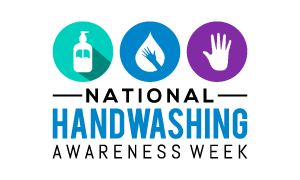
The first full week of December (December 7 – 13) is both National Influenza Vaccination Week and National Handwashing Awareness Week. These two reminders go hand in hand when it comes to keeping yourself and others healthy.
Winter often brings more time indoors with family and friends. Alas, it’s also the season for colds, the flu, and other illnesses that can spread easily. One simple way to stay healthy is to wash your hands well and often.
Washing your hands might seem like a simple thing—you’ve been doing it all your life, right? But it’s easy to rush or skip when you’re busy, and those few seconds can make a big difference.
Use warm, clean running water and soap, and wash for about 20 seconds (that’s about the time it takes to hum the “Happy Birthday” song twice). Don’t forget the backs of your hands, between your fingers, and under your nails. Then rinse and dry with a clean towel.
Good handwashing is one of the easiest and most effective ways to stop the spread of germs that cause colds, the flu, and other illnesses.
This is also a good time to talk with your doctor about the flu. The flu can be serious, especially for older adults or people with certain health conditions. Ask your doctor or healthcare provider what steps—such as a flu shot—are best for you.
You can also lower your chances of getting the flu by washing your hands often, avoiding close contact with people who are sick, and trying not to touch your face, nose, or mouth.
Taking a few small steps now can help you stay healthy and enjoy the season ahead.
New Podcast Episode
Episode 38: What Can People with Medicare Expect from an Emergency Room Visit?
This episode is hosted by Dr. Angeline Brunetto, Associate Medical Director at Acentra Health, who shares information about what people can expect from a visit to the emergency room.